
Trusted Care Technology for Caregivers & Families
I review caregiving technology through the lens of real-life caregiving—looking at usefulness, privacy, usability, autonomy, and what a tool asks of the people using it. My goal is to help families make informed decisions about which technologies fit their needs and circumstances.

Caregivers deserve more than marketing claims.
I believe care technology should:
Support dignity and autonomy
Reduce caregiver stress
Be understandable and accessible
Respect privacy and consent
Feel supportive, not invasive
That’s why I created a review framework that looks beyond what a technology promises to consider how it works in real caregiving life.
Technology is rapidly changing caregiving.
New tools are appearing every day, promising support, safety, connection, and peace of mind.
How I Evaluate Care Technology
Ease of Use
Can caregivers realistically use this tool during stressful, real-world caregiving situations?
Accessibility & Cognitive Load
Is the tool easy to understand, navigate, and use for people with varying cognitive, physical, or technical abilities?
Privacy & Transparency
Does the company clearly explain how information is collected, stored, and used?
Customer Support
Is help available when families need it, and does the company communicate in a supportive and understandable way?
Caregiver Experience
Does this tool genuinely reduce caregiver stress, save time, or make care easier without creating unnecessary work?
Pricing
& Value
Is the pricing clear, reasonable, and aligned with the value and support the tool provides?
Care Recipient Experience
Does the technology support dignity, autonomy, comfort, and emotional well-being for the person receiving care?
Onboarding Experience
How easy is it to get started, set things up, and begin using the tool in everyday caregiving?
Training & Experience
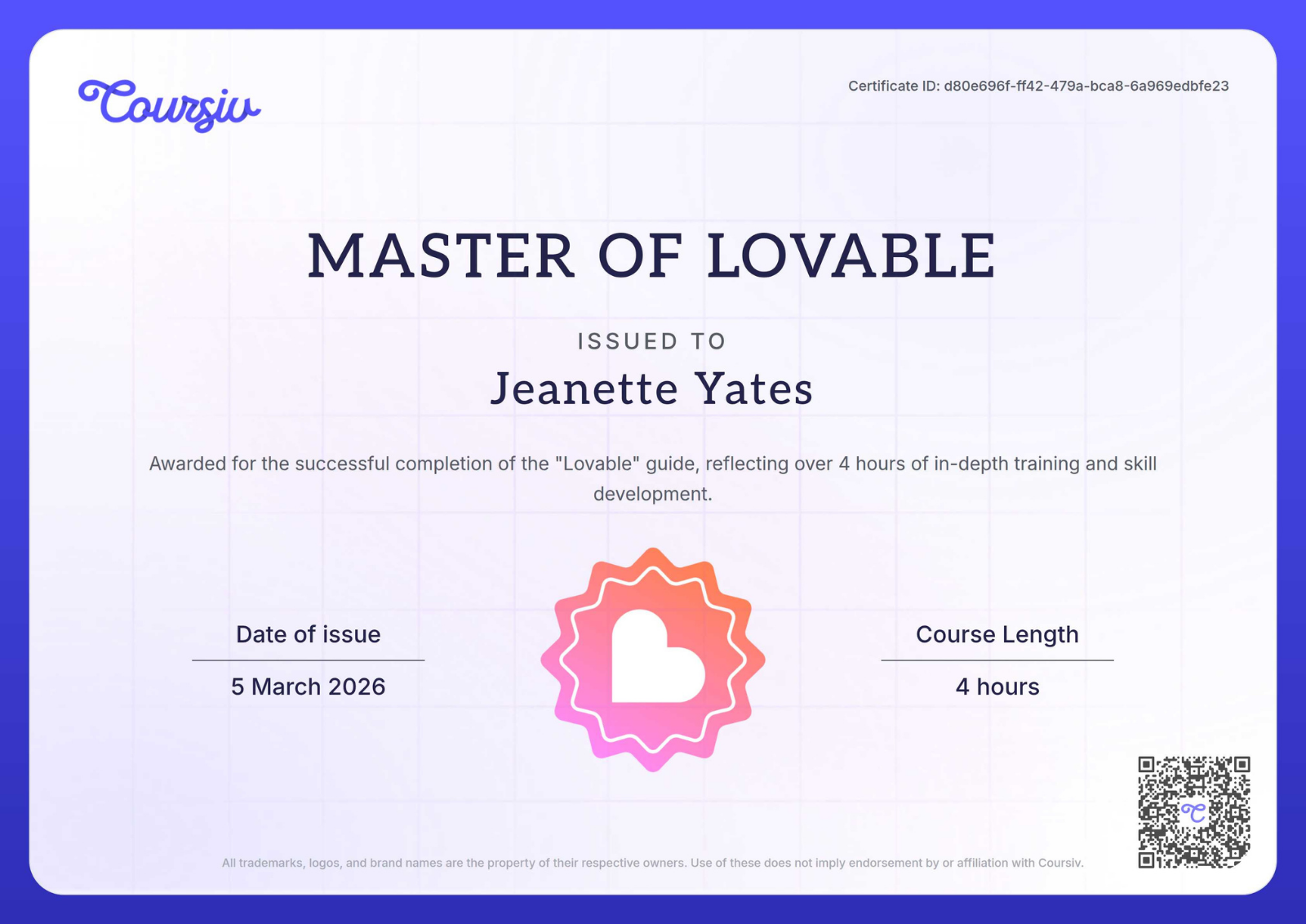
Jeanette continues to build her knowledge of care technology, AI tools, digital platforms, and caregiver-support resources so she can evaluate emerging tools with greater clarity and context. Her training informs a caregiver-centered review lens that considers usability, privacy, accessibility, caregiver burden, and the real-life experience of using technology in care.



Featured Reviewed Tools
These are tools and platforms I’ve personally explored through the lens of real-life caregiving, including usability, privacy, caregiver experience, autonomy, and the needs of the person receiving care.

Caregiver Community and Support
Empaira is an online caregiving community designed to support connection, shared experiences, and ongoing caregiver education. The platform focuses on creating supportive spaces where caregivers can access resources, conversation, and community-centered guidance.
Why I Chose to Review This Tool
Caregiving can feel incredibly isolating, which is why I believe community-centered platforms matter. Empaira stood out to me because of its focus on connection, shared experiences, and creating supportive spaces where caregivers can learn from one another and feel less alone in the caregiving journey.
I’m especially interested in platforms that recognize caregiving is not just logistical; it’s emotional, relational, and deeply human.
Review Snapshot
Ease of Use ⭑★★★★
Privacy & Transparency ★★★★★
Caregiver Experience ★★★★★
Disclosure: Jeanette Yates serves as an advisor to Empaira and currently holds the role of Head of Community.

Personalized Voice Companion for Dementia Families
KindredMind helps families manage repetitive dementia-related phone calls through personalized, two-way conversations delivered in the caregiver's voice. Guided by information shared by caregivers, conversations remain relevant and current, providing reassurance tailored to the individual's circumstances, routines, fears, and relationships.
Why I Chose to Review This Tool
What initially stood out to me about KindredMind was the thoughtful way the company approaches the balance between reassurance, autonomy, and privacy. The platform is designed to reduce caregiver stress while still honoring the emotional needs of the person living with dementia, without positioning technology as a replacement for human connection. It is built not only on the founder’s personal experience but also on thorough research into the care needs of people with dementia.
I also appreciated the company’s willingness to openly discuss consent, privacy settings, and appropriate use cases for different stages of dementia care, conversations that are often missing in care technology.
Review Snapshot
Ease of Use ⭑★★★★
Privacy & Transparency ★★★★★
Caregiver Experience ★★★★★
Discount Available
Families can use code YATES10 to receive a discount when subscribing to KindredMind.
Transparency: If you subscribe using this code, Jeanette may receive a referral fee. This partnership does not influence her evaluation of the product.

Long-Term Care Planning and Navigation Support
LTCareNav helps families better understand and prepare for future care needs based on factors like health history, lifestyle, and caregiving circumstances. Rather than focusing only on insurance solutions, the platform aims to provide practical guidance, planning support, and accessible care-related resources.
Why I Chose to Review This Tool
I was drawn to LTCareNav because it focuses on helping families think proactively about long-term care planning in a way that feels practical and accessible. Instead of centering only on financial products or insurance, the platform appears designed to help caregivers better understand future care needs, available resources, and planning considerations.
I also appreciated the company’s attention to privacy, compliance, and transparency, all areas that matter deeply when families are sharing sensitive information.
Review Snapshot
Ease of Use ⭑★★★★
Privacy & Transparency ★★★★★
Caregiver Experience ★★★★★
Simple Daily Reassurance and Check-In Support
Hello Everyday takes a low-tech, caregiver-friendly approach to helping families stay connected and reassured without feeling overly monitored or invasive. The platform emphasizes flexibility, autonomy, and different levels of privacy and support based on individual comfort and caregiving needs.
Why I Chose to Review This Tool
What stood out to me most about Hello Everyday was its simple, low-pressure approach to caregiving support and reassurance. Not every family wants highly invasive monitoring or complex technology, and I appreciated the company’s recognition that different caregivers and care recipients have different comfort levels around privacy, autonomy, and daily check-ins.
I also appreciated the company’s thoughtful, caregiver-aware approach and its attention to real-world caregiving concerns without relying on fear to make the case for more monitoring.
Review Snapshot
Ease of Use ⭑★★★★
Privacy & Transparency ★★★★★
Caregiver Experience ★★★★★
Questions to Ask Before Using Care Technology
-
Before using any caregiving technology, it’s important to understand what information is being collected, where it is stored, and how it may be shared. Look for companies that clearly explain their privacy policies, security practices, and data protections in understandable language.
-
Caregiving tools often involve sensitive personal, medical, behavioral, or location-related information. Families should understand who can access that information, whether data is shared with third parties, and how permission settings can be adjusted over time.
-
Even well-designed technology can become overwhelming if it adds complicated setup steps, constant alerts, or another system caregivers must manage. A helpful tool should simplify caregiving tasks, improve communication, or provide reassurance, not add additional stress, confusion, or emotional burden.
-
Not every tool is appropriate for every caregiving situation or stage of illness. Some technologies may work well for early support and independence, while others may only become helpful during later stages of caregiving. It’s important to consider the emotional, cognitive, and practical needs of both the caregiver and care recipient.
-
It’s important to consider whether the person receiving care understands the purpose of the technology and feels comfortable with how it is being used. Tools that create confusion, fear, embarrassment, or a sense of being monitored too heavily may increase anxiety rather than provide meaningful support.
-
Caregiving technology should support human care, not replace it entirely. Before relying on any platform or tool, consider what happens if the internet goes down, alerts fail, devices stop working, or information is inaccurate. Backup plans and human oversight still matter.
FOR CARE TECHNOLOGY COMPANIES
Bringing the caregiver perspective into care technology
I work selectively with care technology companies that want to better understand how their products fit into real caregiving life. Through advisory work, speaking, and collaboration, I bring attention to questions of usefulness, caregiver burden, privacy, autonomy, relationships, and the experience of the person receiving care.
Disclosure & Transparency
Some tools featured on this page may include referral partnerships, discount codes, advisory relationships, sponsorships, or affiliate compensation. Any such relationships will always be clearly disclosed.
I review caregiving technology through the lens of real-life caregiving, including usefulness, usability, privacy, caregiver experience, autonomy, and the needs of the person receiving care. My goal is to help caregivers make more informed decisions, not to promote technology for the sake of technology.
Every caregiving situation is unique. A tool featured here may be useful for a particular need without being the right choice for every family. I encourage caregivers to consider their own circumstances and carefully review privacy policies, pricing, and product details before choosing any technology or service.